Resources / Tax Credits & Refunds
ChecklistChecklist: Tax Documents to Gather Before You File
A practical checklist of the documents most families need on hand before filing, whether you file yourself or get free help.
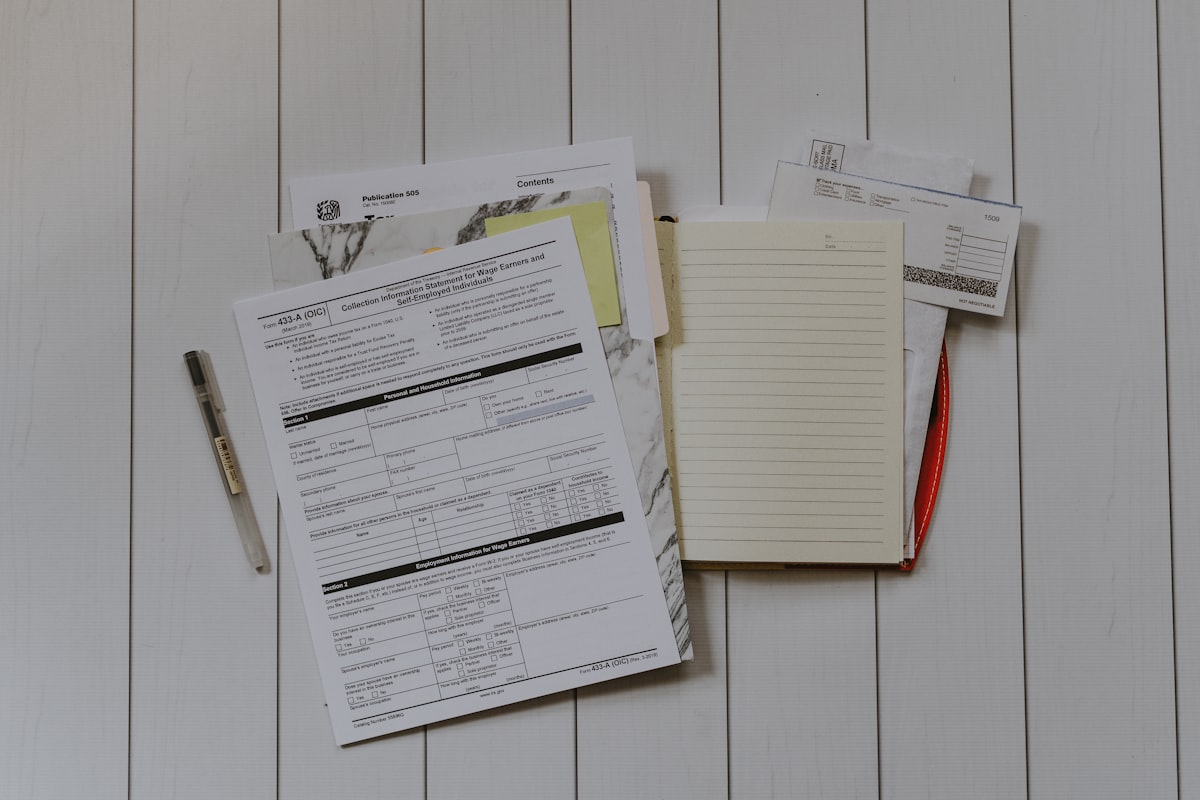
Whether you’re filing on your own, using software, or heading to a free filing site like VITA, showing up with the right paperwork in hand saves you time and reduces the chance of an error or a second trip. Documents also tend to arrive in a scattered way — a W-2 in the mail one week, a 1099 by email the next — so setting aside a single folder early in the year, and adding to it as things come in, makes the whole process much less stressful than trying to reconstruct everything the night before you file. Use this checklist to gather what you need before you sit down to file.
Personal and household information
- Social Security cards or ITIN letters for yourself, your spouse, and every dependent you plan to claim
- A valid photo ID for yourself (and your spouse, if filing jointly and visiting an in-person site)
- Current mailing address
- Bank account and routing numbers, if you want your refund direct deposited
- Last year’s tax return, if you have a copy — useful for reference even if your situation has changed
Income documents
- W-2 forms from every employer you worked for during the tax year
- 1099 forms for any freelance, gig, or contract income
- 1099 forms for unemployment compensation, if applicable
- Records of any self-employment income and related business expenses
- Documentation of any Social Security, pension, or retirement income
- Records of interest or dividend income (often a 1099-INT or 1099-DIV)
- Documentation of any other income — alimony received, gambling winnings, rental income
Dependent and childcare-related documents
- Social Security numbers for each dependent you’re claiming
- Childcare provider’s name, address, and Tax ID or Social Security number, if you’re claiming a childcare-related credit
- Total amount paid to each childcare provider during the year
- Documentation supporting custody arrangements, if you share custody and need to establish who claims a dependent
Deduction and credit documents
- Form 1098 for mortgage interest, if you own a home
- Records of property taxes paid
- Receipts or records for charitable donations
- Form 1098-T for tuition, if you or a dependent attended a higher education program
- Records of interest paid on education-related borrowing (often reported on Form 1098-E)
- Documentation of medical expenses, if they were significant during the year
- Proof of health insurance coverage, such as Form 1095-A, -B, or -C, if requested by your preparer
If your situation changed this year
- Documentation of a change in marital status (marriage or divorce finalized during the tax year)
- Documentation of a new dependent, such as a birth certificate or adoption paperwork
- Records of a move, including your new address and the date you moved, if it affects state filing
- Documentation of a change in employment, including any severance or unemployment income
- Records related to a change in custody arrangements, if it affects who claims a shared dependent this year
Before you file
- Double-check that names and Social Security numbers on your documents match exactly what’s on file with the Social Security Administration
- Confirm your current address is accurate on all documents
- Set aside a folder (physical or digital) with everything together, rather than gathering documents piecemeal on the day you file
- If anything is missing — a W-2 that never arrived, for example — request a replacement from the issuer as early as possible rather than waiting until the deadline
- If you’re using a free filing site, check their specific list of required documents ahead of time, since it can vary slightly by location
- Make a copy or take a photo of everything before you hand it over at an in-person filing site, so you have your own backup
- Write down or save the contact information for wherever you filed, in case a question comes up later in the year
Having your documents organized ahead of time is one of the simplest ways to make filing faster and less stressful, whether you’re doing it yourself or getting help. It also puts you in a better position to catch a mistake, like a misspelled name or a missing form, before it turns into a delay in getting your refund. For more on where to get that help, see our guide to free tax filing through the VITA program, or visit our full Tax Help & Filing hub for more guides.